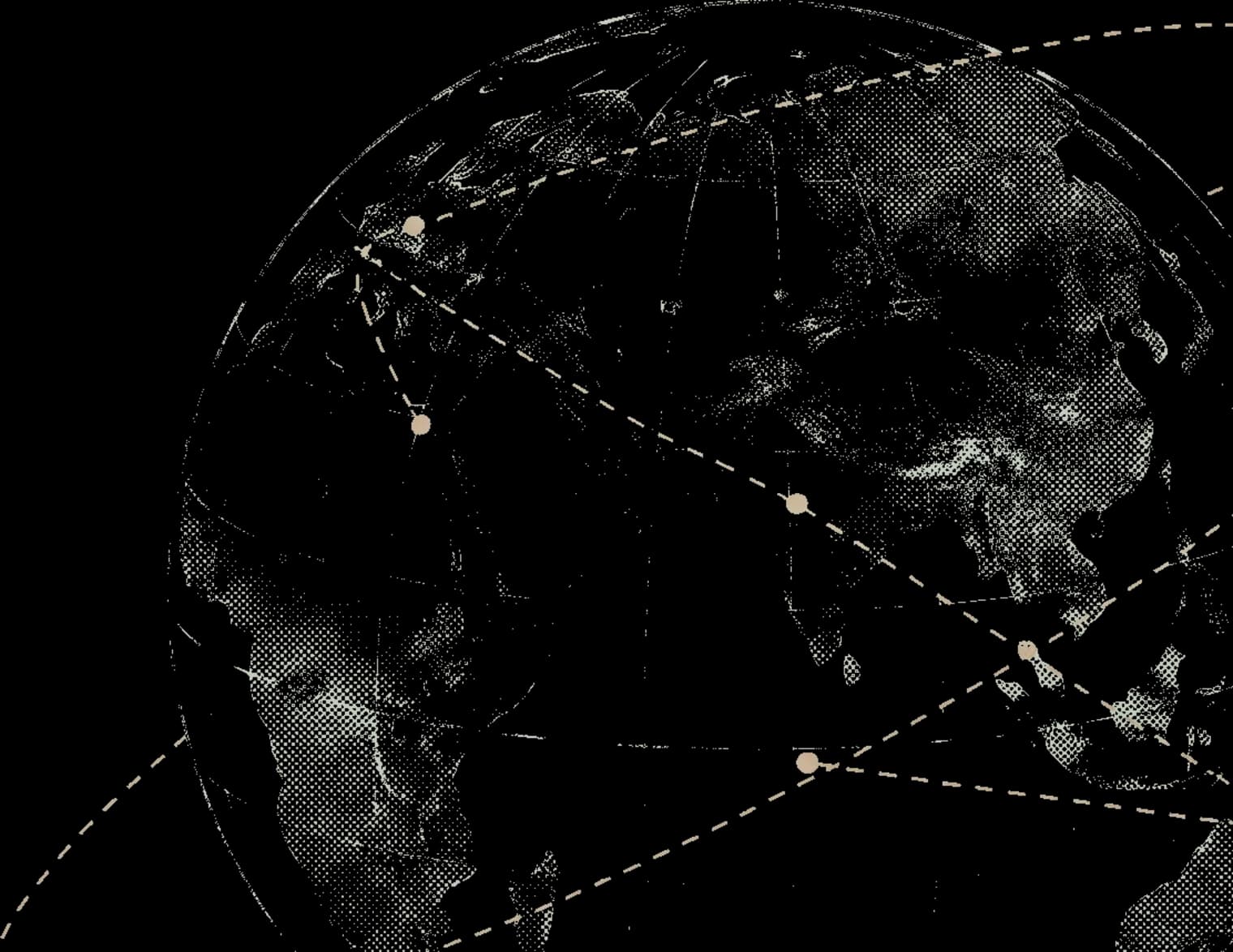
Living shared world model

Overview
The truth about what a codebase means usually lives in Slack threads and a few senior engineers' heads. A new agent, like a new hire, has to rediscover it from scratch. The shared world model replaces that rediscovery with a read.
Onboarding without tribal knowledge
When an agent starts a task, the master computes a world slice for the concepts its intent touches: the active intents on those concepts, contract changes it depends on, and any conflict alerts where it is a party. Everything else stays invisible.
The agent reasons over a focused, relevant view instead of crawling the repository. A fresh agent process starts with a clean context window seeded with its intent and that world slice, so there is no cross-task contamination from the last job.
Reading the catalogue, not the codebase
The concept registry encodes the contracts and dependencies that used to be oral history. auth.session-store-contract depends_on nothing; billing.invoice-finalizer realizes a set of files. The relationships are explicit, queryable, and current.
This is the same registry the matching loop uses, so the knowledge a new agent reads is the knowledge the master coordinates on. There is one source of truth, not a wiki that drifts from reality.
How ranking stays honest at scale
Lookup is global. The intent's apparent domain biases ranking so the most relevant concepts surface first, but the search is never bounded to one domain. Cross-domain work ranks correctly instead of falling through a partition.
The registry drifts under the master's control, so it needs governance. Drift is caught by occasional peer review: a forked master walks the links and flags decay, inconsistency, or junk concepts. The mutation log and the proposal flow do the rest.
Detecting and resolving drift
Because every mutation is logged with enough context to rebuild the registry at any prior point, drift is recoverable, not permanent. Peer review flags it, the proposal flow corrects it, and the log keeps the history clean.
Next steps
The world model is built on the semantic concept catalogue. To see it span a team, read cross-machine coordination.
Frequently asked questions
- Does every agent see the whole world model?
No. The master computes a per-agent slice from the concepts that agent's intent touches: matching active intents, contract changes it depends on, and conflict alerts where it is a party. Everything else is invisible to that agent.
- How does the world model avoid going stale?
It is the same registry the master coordinates on, updated by every accepted intent. Drift is caught by periodic peer review from a forked master that walks the links, backed by the mutation log and the concept proposal flow.